
| By | Julian Evison |
| Scale | 4mm |
| Gauge | 9mm |
| Size | 300cm x 60cm |
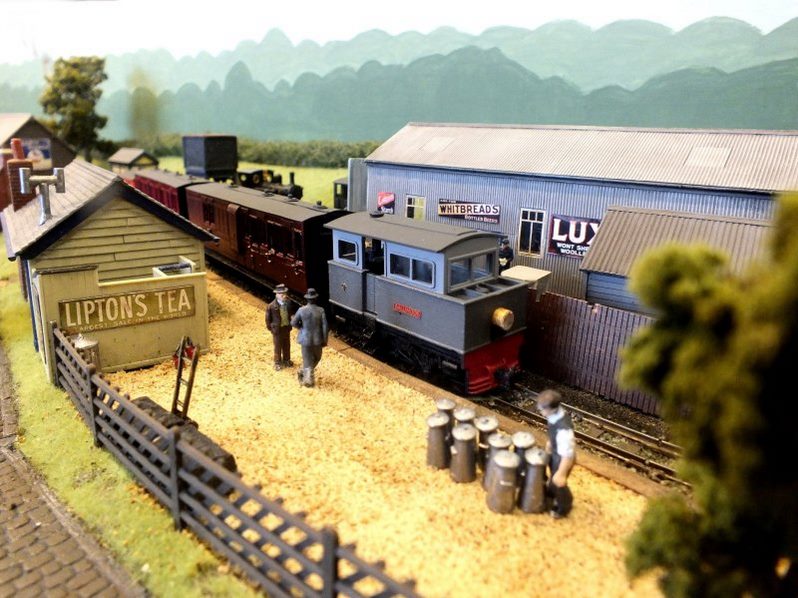
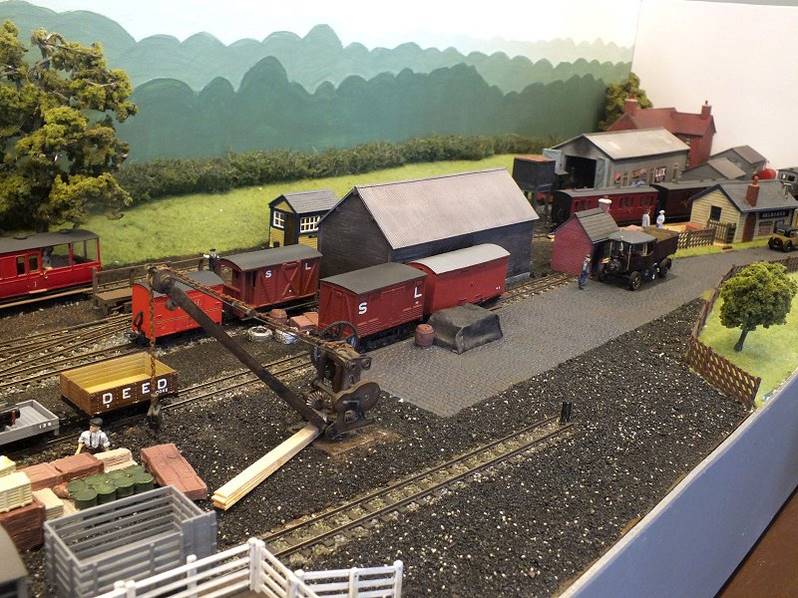
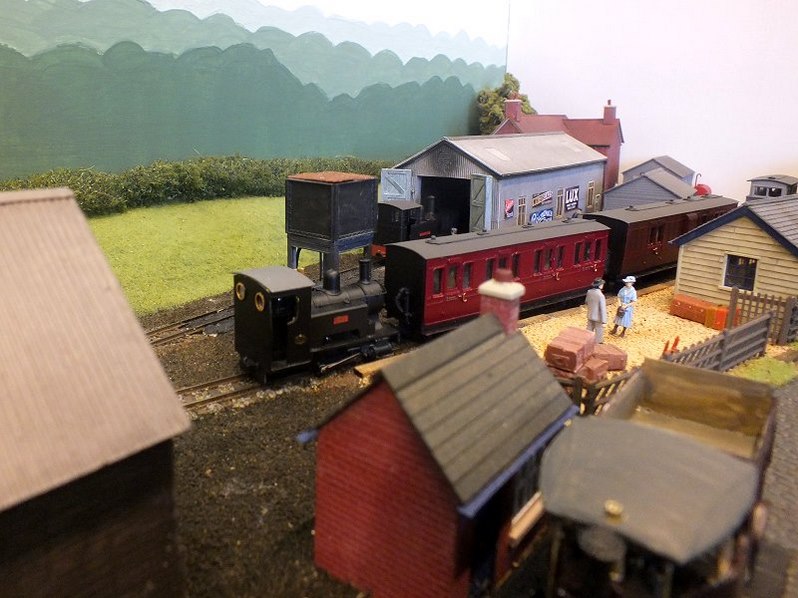
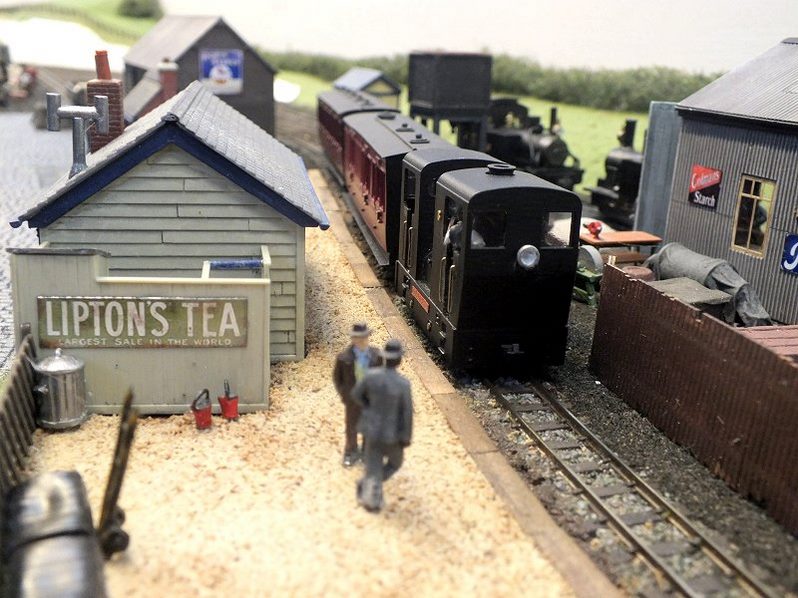
Selborne is a prosperous village of about 1200 people situated on the Hampshire Downs. Home to the naturalist Gilbert White, it attracted (and attracts) many visitors. In 1900 it was, once again, being missed out by a new railway line in the area so decided to 'do something' about it, even if it was, perhaps, not the wisest thing. The station at East Tisted on the new L&SWR Meon Valley line was about 3 miles away and was due to open in 1903. This could be reached along a fairly level route, with the exception of the first half mile which would have been a very steep climb up from the centre of Selborne. It was therefore decided that the station would be built on land above the village on the side of Selborne Hanger ('hanger' is the local name for a steep slope on the Downs.) Work started in 1901 on a narrow gauge railway to keep costs down. The Tisted and Selborne Light Railway opened in 1903 with an extension to Liss in 1908. It prospered initially, but badly misjudged its prospects after the First World War, buying more stock, when takings were declining. There was talk of Colonel Stephens taking over the railway, but the good folk of Selborne took exception to some of his ways. Despite all the cost savings, by 1935 the end was in sight. Finally, in the depths of winter, the line closed on 20th January 1936.
https://www.narrowgaugenorth.org.uk/index.php/85-public-news/exhibitors-previous?start=48#sigProId13155b3a0f
| By | Jim Finlayson |
| Scale | 1:87 |
| Gauge | 9mm and 6.5mm |
| Size | 70cm x 65cm |
The brickworks started out as a project to use the Busch Hof models in the setting of an old Faller brickworks kit. The project grew to become a testbed for a number of items I was interested in including – Using HOf and fitting in HOe in a limited space, Incorporating the Faller car system, Analogue control of servo operated points, Using 3D printed components, Building and layout lighting, Scenic detailing, Smoke effect, Ambient sound .
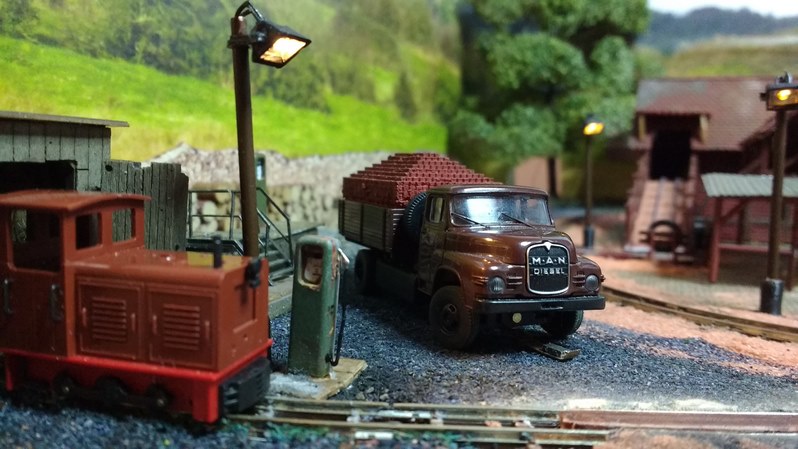
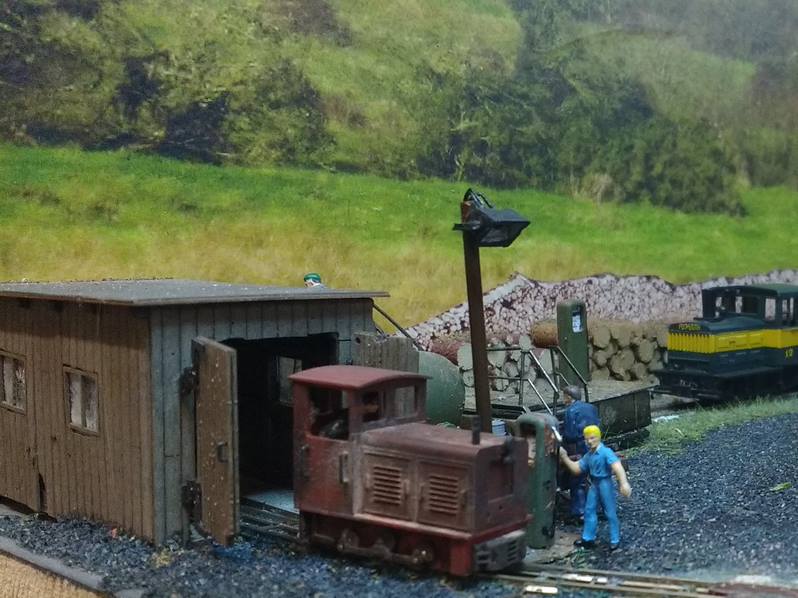
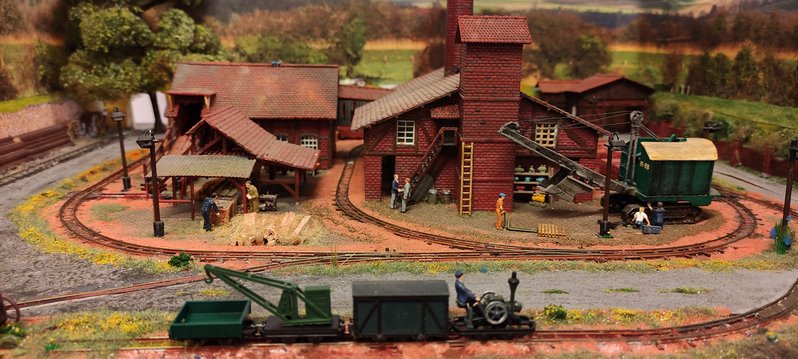
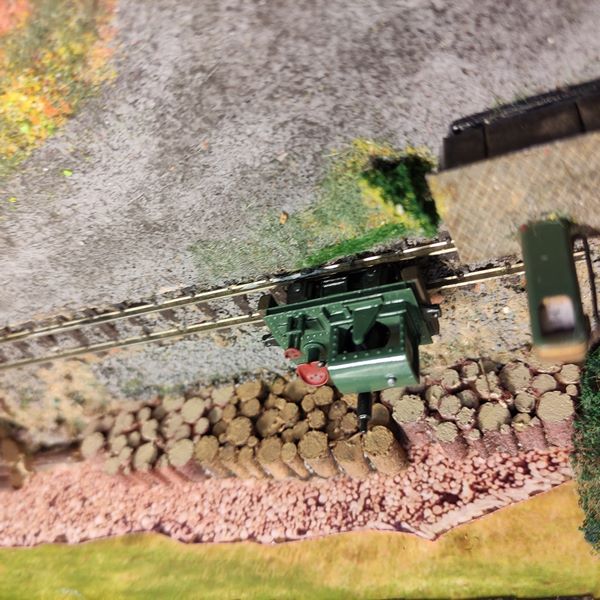
https://www.narrowgaugenorth.org.uk/index.php/85-public-news/exhibitors-previous?start=48#sigProId86378f19f2
| By | Ian Morrison |
| Scale | 1:87 |
| Gauge | 9mm |
| Size | 240cm x 85cm |
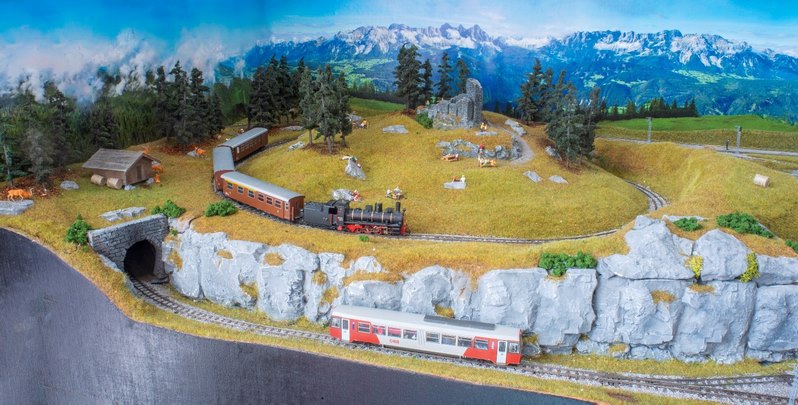
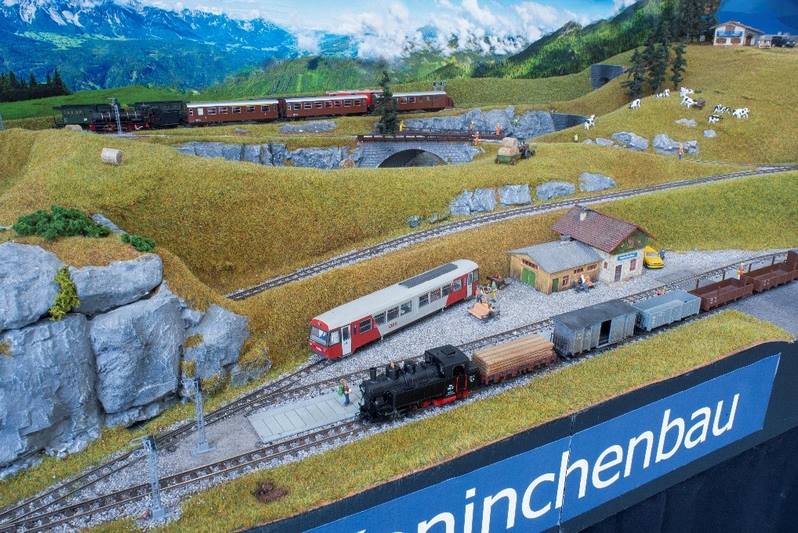
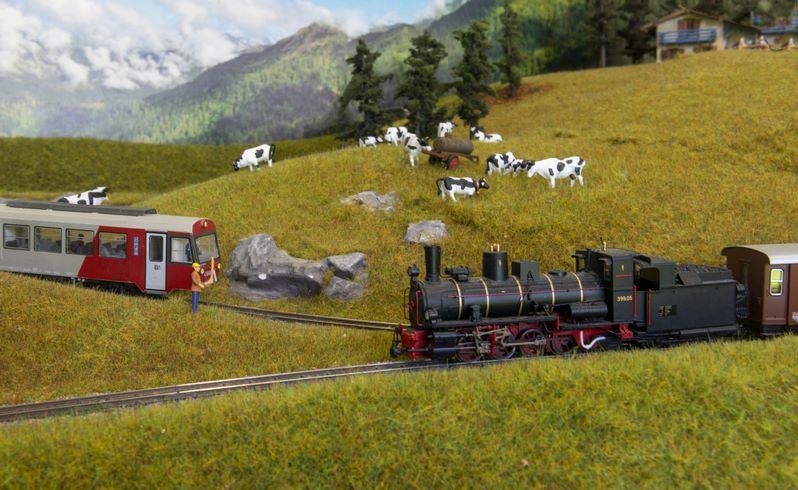
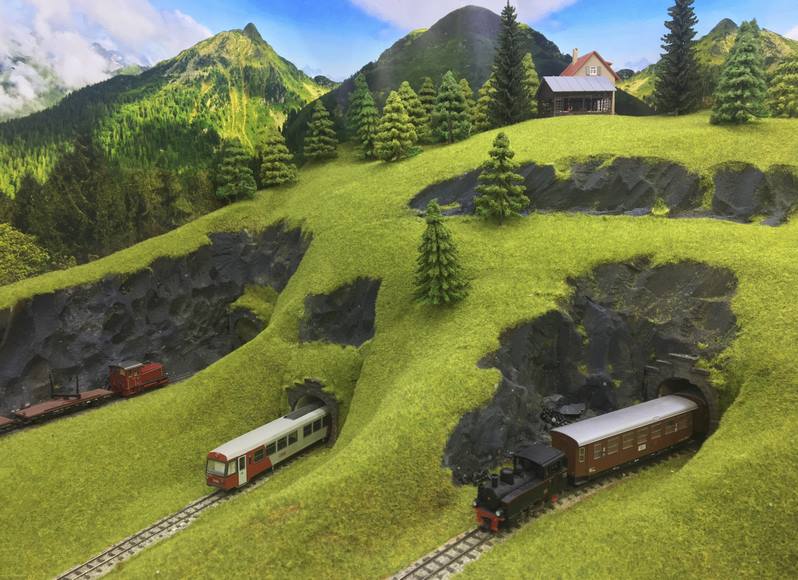
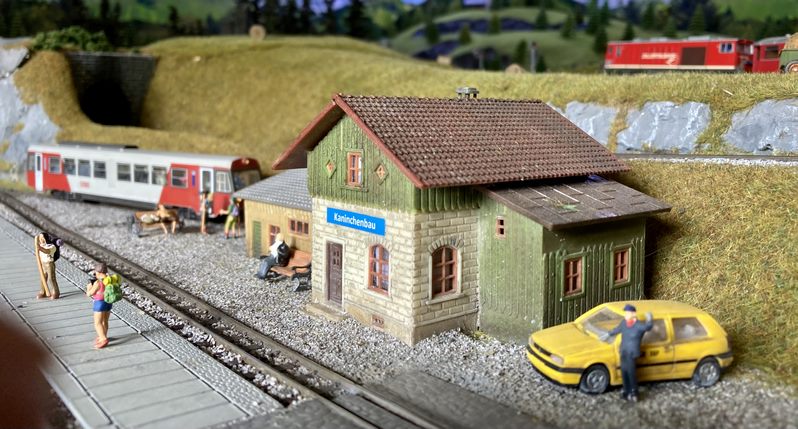
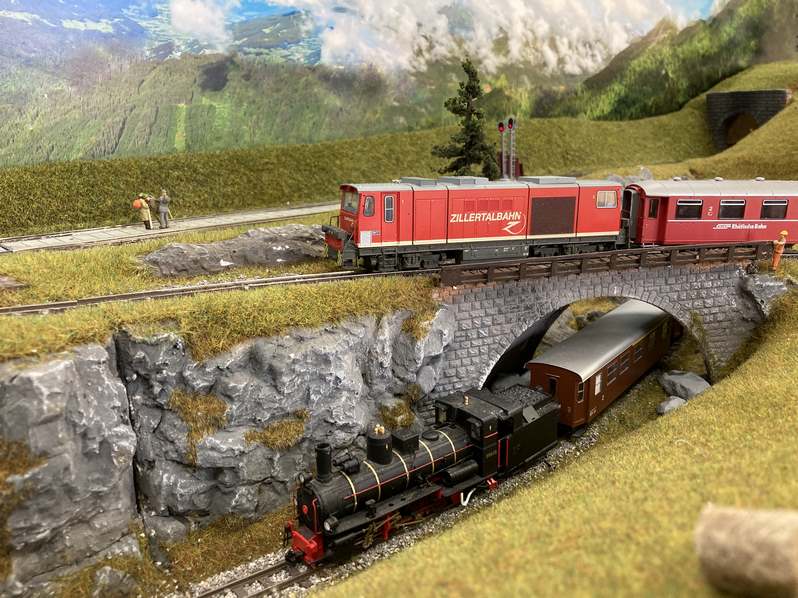
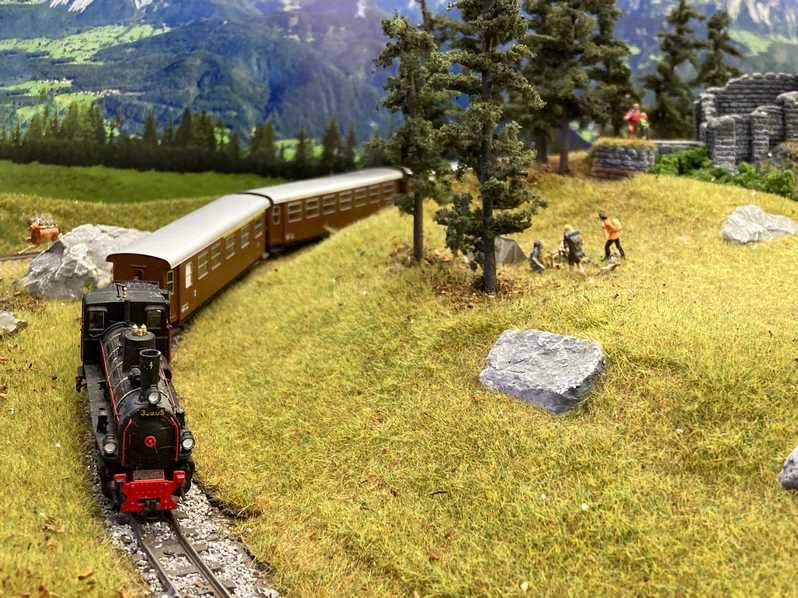
Kaninchenbau is a computer controlled H0e layout, modelled on the rolling, grassy meadows that are typical of the European Alpine region. The hands-off aspect of automation allows discussions about the layout to be undertaken whilst the layout continues to run. It has been built using ready-to-run stock in H0e scale from various European manufacturers and is based upon the prototype Narrow-Gauge lines that are seen in the Alps border areas which theoretically allows for rolling and stock and locomotive power to be lent between railway operators. Although the swapping of stock rarely happens in reality, this theoretical practice allows layout to run various combinations that, whilst not seen on the prototype, look interesting and provides variety and interest to visitors. Kaninchenbau has been designed with 2 levels that are interconnected within the hidden sections of the layout which provides variety as trains will not always appear from tunnels in the expected order let alone from the expected tunnel mouth. This is especially interesting for younger visitors who try to guess where the train will appear and are surprised when they are often incorrect with the guess. Another attraction of the layout is that it was designed to maximise audience interest by always having several trains running simultaneously, usually at least five. This number of trains, plus the complexity of the track layout, means that the model had to be automated and this has been achieved using commercial software called iTrain (www.berros.eu). The program knows the location of all trains at all times because the track, just like the real railway, is divided up into blocks and you can see these blocks on the iPad. This shows where the trains actually are, with a red track and the loco ID provided by Railcom. The route ahead that the train has chosen to take is shown by the gold track. The track that is available but not yet used or reserved remains black. This operation is fully automatic, with routes for individual trains, stopping stations, and wait times all being chosen randomly by iTrain which also controls the signals and turnouts. For the technically minded it is operated by a Z21 with a Z21 booster, which enables 2 power busses to operate. One bus is for the track and the other for accessories such as detection, signals and turnout motors. This modus operandi ensures when a train overruns a turnout or there is a short on the track the accessories can still be operated. This layout attaches to a larger fixed layout, all of which is similarly operated using;
- iTrain Professional Roco Z21 + Roco Z21 Booster
- Digikeijs DR5088RC Railcom feedbacks
- Digikeijs DR4088LN-CS feedbacks
- Digikeijs DR4018 digital switches
- LS Digital 5410 auto-reverse
- MTB MP1 turnout motors
- RoSoft Standalone Loconet
- Kaninchenbau track length 22.5m
I hope that you enjoy the layout and that it shows you some of the capabilities that are available with computer control. Please contact me for further information or discussion. And finally – Kaninchenbau is actually named after the layout style - it literally means Rabbit Warren
https://www.narrowgaugenorth.org.uk/index.php/85-public-news/exhibitors-previous?start=48#sigProId7afe700ed3
| By | Peter Grant |
| Scale | 7mm |
| Gauge | 16.5mm |
| Size | 400cm x 400cm |
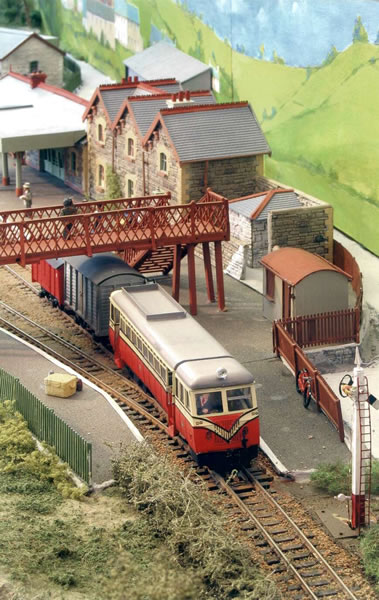
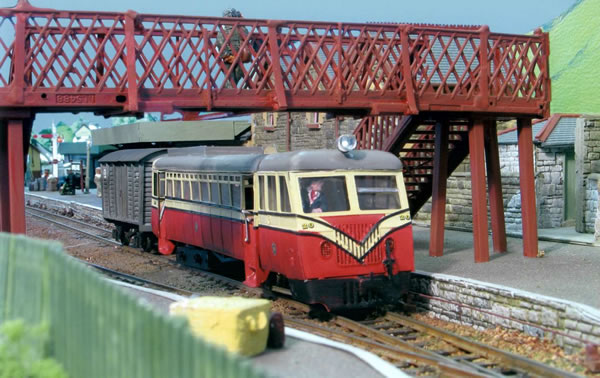
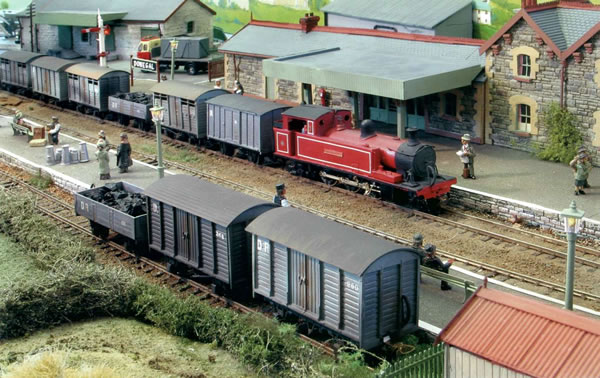
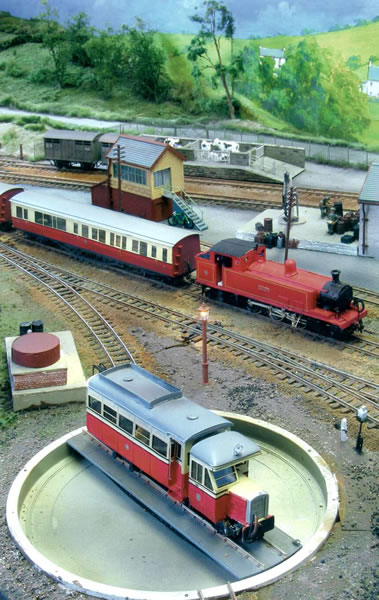
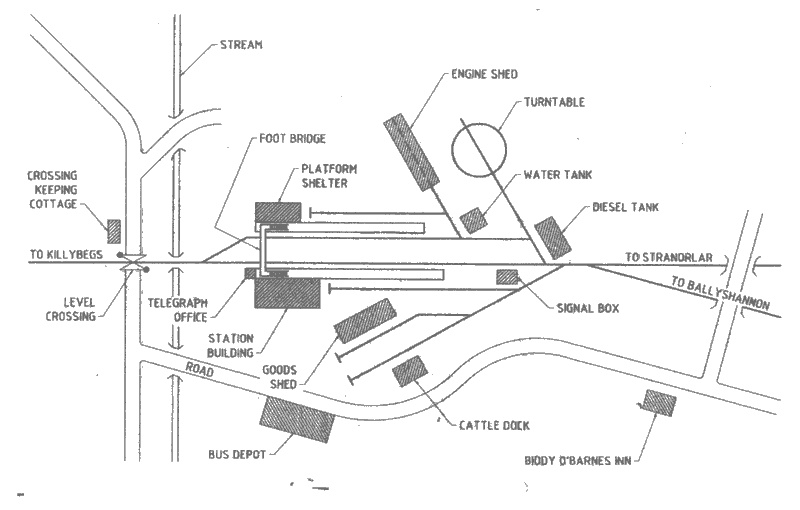
A 7mm narrow gauge layout featuring Donegal station on the County Donegal Railway. The plan forms a circular layout viewable on three sides. Station, footbridge, engine shed and signal box are all reproduced.
https://www.narrowgaugenorth.org.uk/index.php/85-public-news/exhibitors-previous?start=48#sigProId3349a29512